
Hokkaido Cherry Blossoms
North America market · USD
Princess Cruises
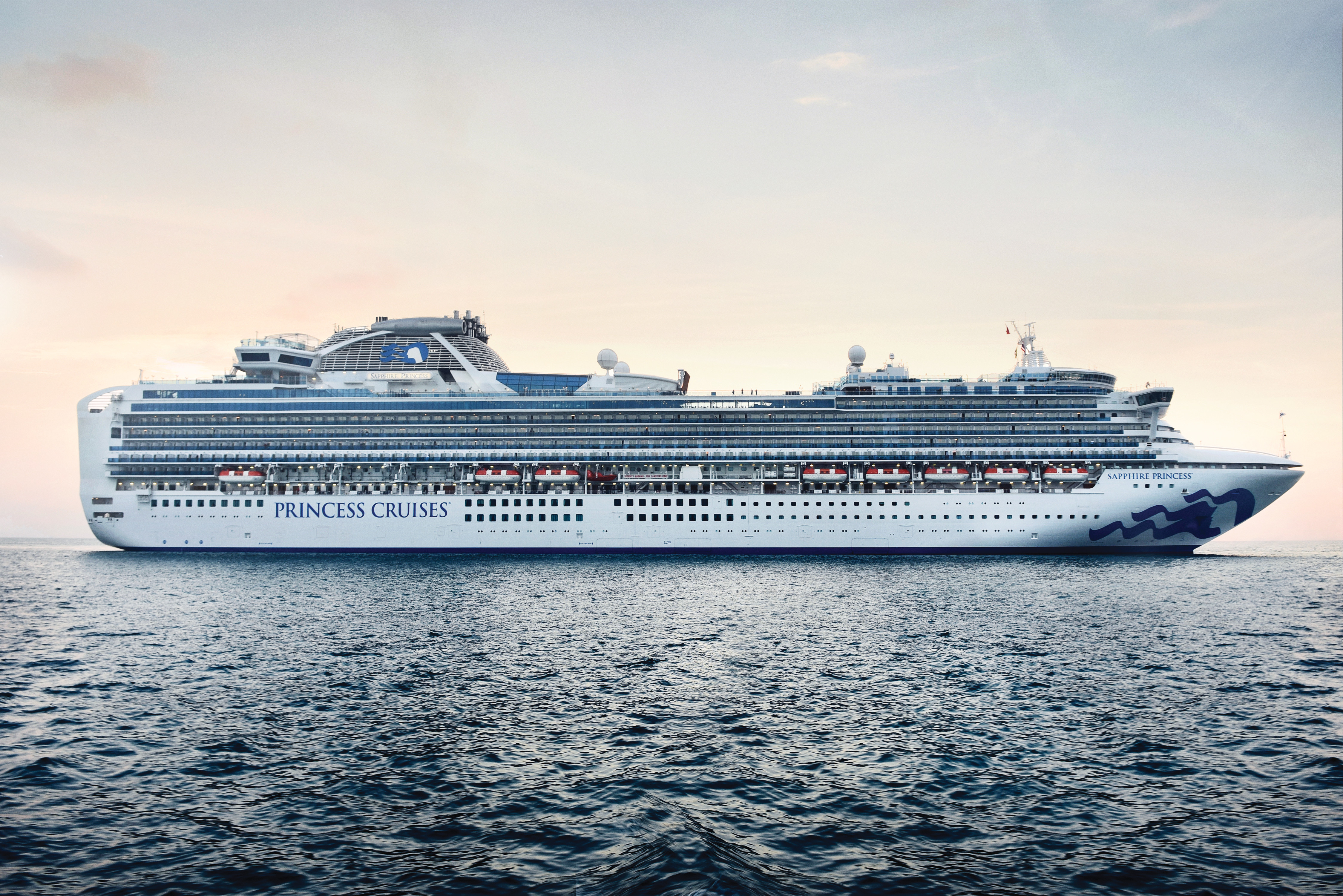
Sapphire Princess
Tokyo
Tokyo
–Day-by-day itinerary
- Tokyo
- At Sea
- AomoriThe capital of the Aomori Prefecture in northern Japan, Aomori derives much of its beauty from the apple orchards and cherry blossoms that encompass its landscape and the snow-covered Hakkoda Mountains that look on from a distance. Throughout its history, the city has been stricken with misfortune time and time again - in 1910, a fire destroyed Aomori, and during World War II, the city was left in ruins following an air raid - yet it always prevails. Aomori is cherished by many who believe a local legend that the grave of Jesus Christ lies within the southern part of Aomori prefecture. However, Aomori is perhaps best known for its renowned Nebuta Festival, an elaborate yearly event in which participants illuminate giant paper representations of samurai warriors, animals, and popular cartoon characters while parading them through the streets.
- MuroranLocated on the southwest part of the island of Hokkaido, Muroran is a major industrial center and your gateway to Hokkaido's natural beauty. This island's unhurried pace is a welcome contrast from the hustle and bustle of Honshu and Kyushu. Relatively uncrowded and unspoiled, Hokkaido offers dramatic landscapes ranging from dense forests and hot springs to active volcanoes and calm lakes nestled in calderas.
- HakodateIt took Commodore Perry and American gunboat diplomacy to open Japan to the outside world after two centuries of self-imposed isolation. In 1859, the port of Hakodate became the first Japanese city fully opened to Westerners under the Treaty of Amity and Commerce. Foreigners soon flocked to Hakodate, and today visitors wandering the cobblestone streets of the city's Motomachi District can view their Western-style frame houses. Hakodate, once a fishing port famed for its high quality fish and shellfish, quickly became Hokkaido's largest city and one of Japan's most important ports. The Great Hakodate Fire of 1934 dealt the city a near fatal blow - a blow from which Hakodate was slow to recover. Today the city is Hokkaido's third largest - surpassed by Sapporo and Asahikawa - but retains its foremost position as the finest Japanese producer of sushi's raw product: the high quality seafood caught in Hokkaido's cold waters. It may not compare to Tokyo's Tsukiji's Fish Market, but at Hakodate's four-block-long Morning Market, vendors offer a stunning array of fresh fish and shellfish prized for sushi including salmon roe, sea urchin, scallops and crab. Restaurants and food stands prepare a wide arrange of dishes including domburi topped with fresh seafood.
- At Sea
- BusanThe second largest city in South Korea, Busan is your gateway to a fascinating land whose culture is a unique amalgam of old and new. Modern high-rise towers dwarf ancient Buddhist temples. The city's bustling business district offers a stark contrast to the serene grounds of Yongdusan Park. In short, Busan is a microcosm of South Korea, a nation whose startling economic success often obscures one of Asia's most sophisticated and venerable cultures. Busan was the scene of bitter fighting during the Korean War. The United Nations Memorial Cemetery marks the final resting place for the troops from 16 nations who gave their lives during the conflict.
- NagasakiFor most travelers, Nagasaki is a symbol of the horror and the inhumanity of war. An estimated 75,000 people perished in 1945 when the city became the second target of a nuclear attack. Today, Nagasaki's Peace Park and Atomic Bomb Museum draw visitors from around the world. But this beautiful city on Kyushu offers other sights. Often described as the San Francisco of Japan, the city occupies verdant hills surrounded by a deep-water bay. For three centuries, Nagasaki was Japan's sole window on the world. The city is also celebrated as the setting for Puccini's opera "Madame Butterfly."
- At Sea
- Tokyo