
Roundtrip Houston
North America market · USD
Regent Seven Seas Cruises
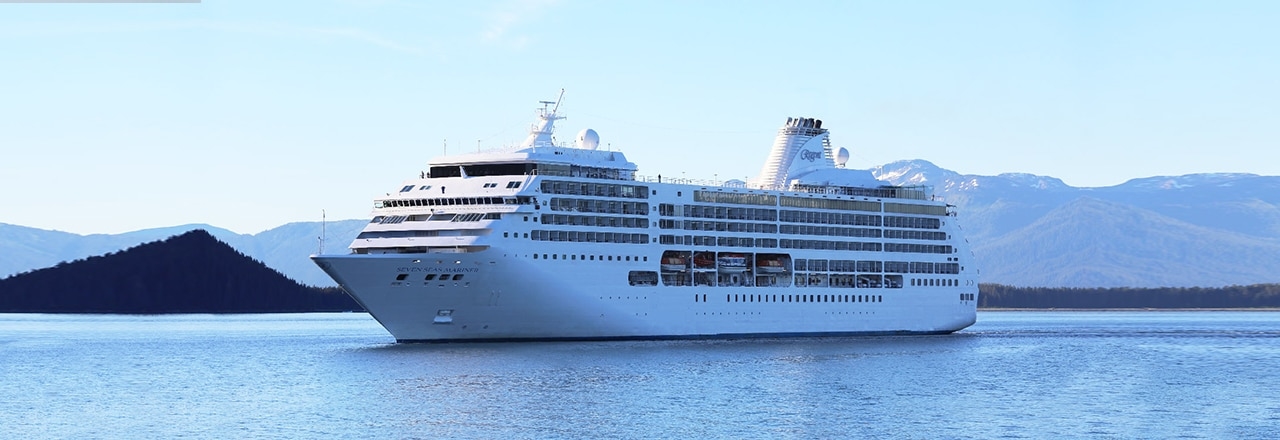
Seven Seas Mariner
Galveston
Galveston
–Day-by-day itinerary
- Galveston
- At Sea
- At Sea
- CozumelCozumel is the largest inhabited island in Mexico, which lies just off the mainland. The coasts are known for large, breaking surf on the east side, and calmer waters for diving on the west side. In 1959, Jacques Cousteau discovered the beauty of Palancar, the coral reefs at the south of Cozumel and publicized it as one of the best places to go scuba diving in the world. Diving is still Cozumel's primary draw, mainly due to the healthy coral reef marine communities.
- BelizeBelize City was founded in the mid-17th century by British lumber harvesters. The city was ideal for the British as a central post because it was a natural outlet for local rivers and creeks down which the British shipped logwood and mahogany. Belize became independent in 1981, following a United Nations declaration to the effect. A British military force was maintained in Belize until 1993, when the government announced Belize would be handed over on January 1, 1994.
- RoatanWarm Caribbean waters with excellent diving, white sand beaches, and tropical sunsets are some of the attractions of the Bay Islands. Roatan’s major source of income is tourism, particularly because of SCUBA diving attractions. The underwater environment is rich and extensive with reefs surrounding the islands, often within swimming distance of the shore. Caves and caverns are a common feature, with a variety of sponge and the best collection of pillar coral.
- At Sea
- Montego BayMontego Bay, the capital of Saint James Parish on Jamaica’s north coast, is a major cruise ship port with numerous beach resorts and golf courses outside its commercial core. Popular beaches include Doctor’s Cave Beach and Walter Fletcher Beach, home to an amusement park. There’s also snorkelling and diving at coral reefs in the protected waters of Montego Bay Marine Park.
- George Town, Cayman IslandsChristopher Columbus discovered the Cayman Islands in 1503 and named them Las Tortugas, because the only inhabitants found were turtles. By 1530, they were known as the Caymanas, meaning "crocodile" in Carib. Although Sir Francis Drake visited the islands in 1568, they did not come under British rule until 1670. The Caymanians are descendants of the English, Irish, Scottish and Welsh seamen who settled the islands and later intermarried with Jamaican immigrants.
- At Sea
- At Sea
- Galveston