
Cruising Alaska: When to Sail, Where the Ships Go, and How to Choose Your Voyage
Alaska is North America's great wilderness cruise — a coastline with almost no roads, where a ship is the only way to string together calving glaciers, breaching whales, gold-rush towns, and old-growth rainforest in a single trip. The two headline routes are the round-trip Inside Passage loop from Seattle or Vancouver and the one-way Gulf of Alaska crossing to Whittier or Seward, with June through August the reliable warm-weather peak and May and September the shoulder-season sweet spots for value. Nearly every major cruise line sails it, from 4,000-guest resort ships to under-100-guest expedition vessels, on voyages from four nights to two weeks, often paired with a land tour to Denali. In every port the wild is the destination — a glacier calving into the sea, a bear working a salmon stream within sight of the pier, an eagle on every other piling. This guide covers why Alaska is better by ship, when to sail, how long to go for, what you'll see and do, which lines fit you, and how the pricing works.
You wake to the ship gliding past a wall of blue ice cracking loose into the sea, a humpback surfacing off the bow, and a cannery town of nine hundred people sliding into view — and by lunch you are watching a bald eagle work the harbor railing while you eat fresh-caught halibut two docks down. That is an ordinary morning on an Alaska cruise.
Alaska cruising at a glance:
• Best time: mid-June through August for warmth, wildlife activity, and nearly round-the-clock daylight; May and September give the best weather-to-price balance.
• How long: mostly 7 nights, with a few 4- to 5-night tastes and 10- to 14-night grand voyages that combine both main routes.
• Embark from: Seattle or Vancouver for round-trip Inside Passage loops; Vancouver, Whittier, or Seward for one-way Gulf of Alaska crossings, often paired with a Denali land tour.
• The fleet: nearly every major cruise line, from 4,000-plus-guest resort ships down to under-100-guest expedition vessels built to nose into fjords.
• Cost: priced by season and route more than by cabin — July carries the clear premium; May and September are the year's best value weeks.
• Demand: Alaska has become one of the fastest-growing big-ship markets in North America, with record passenger numbers and new ship deployments arriving most seasons.
• Good to know: nearly every round-trip Inside Passage loop adds one Canadian call — usually Victoria or Prince Rupert — because U.S. law requires it of foreign-flagged ships.
Why cruise Alaska rather than tour it?
Because Alaska's greatest sights have no roads to them, and a ship is the only practical way to link several in one trip. Glacier Bay, Tracy Arm, and Hubbard Glacier are reachable only by water. Juneau, the state capital, has no road connection to the rest of Alaska or to Canada at all — you arrive by air or by sea, full stop.
Alaska is bigger than Texas, California, and Montana combined, and its coastal communities are scattered across a shoreline longer than the rest of the U.S. coastline put together. A land itinerary trying to cover the same ground means small planes, long ferry waits, and days spent simply getting from one town to the next. A ship solves the geography for you — you unpack once, and a new fjord, glacier, or gold-rush town appears each morning while you sleep through the miles.
It also solves the state's quiet logistics problem: rental cars are scarce and expensive in season, distances are deceptive, and weather can close a single mountain pass for a day. You step off in Skagway, ride a century-old railway into the mountains, and step back on.
When is the best time to cruise Alaska?
The season runs roughly late April through September, with June through August the reliable warm-weather peak and May and September the shoulder-season sweet spots for value. Unlike a single-region destination, Alaska's weather window is short and consistent across the whole itinerary, so the choice is less about chasing a moving bloom and more about trading crowds and price against daylight and warmth.
Early season (May) — the value-and-scenery window
Snow still caps the peaks, wildflowers are just emerging, and the ships are noticeably less crowded. Expect cooler days, in the 50s Fahrenheit, and the season's most reliable fares. Wildlife is already active — bears emerge from dens and whales return to the feeding grounds — but a few shoreside attractions haven't fully opened for the year.
Peak summer (mid-June–August) — warmth, wildlife, and long light
This is Alaska cruising at its most reliable: daytime highs in the 60s, up to nearly nineteen hours of daylight in Juneau around the solstice, and the peak of both whale activity and salmon runs, which in turn brings bears to the rivers. It is also the busiest and most expensive stretch, and the one where popular shore excursions — flightseeing, the White Pass railway, dog-sledding — sell out furthest ahead.
Late season (September) — colour, quiet, and a shot at the aurora
Crowds thin, fares soften, and the tundra and birch turn gold. Whales are often still present, and on clear nights far enough north or late enough in the month, the aurora becomes a real possibility — something no summer sailing can offer. The trade is shorter days and a higher chance of rain and wind as autumn systems arrive.
The one honest constant: rain
Southeast Alaska is temperate rainforest — Ketchikan averages over 150 inches of precipitation a year — so pack for rain in any month you sail, not just the shoulder season. Glacier calving, by contrast, happens all season long and owes nothing to the calendar.
Where do Alaska cruises go?
Alaska cruises split into two main shapes: round-trip Inside Passage loops from Seattle or Vancouver, and one-way Gulf of Alaska crossings between Vancouver and Whittier or Seward. A U.S. law called the Passenger Vessel Services Act requires foreign-flagged ships sailing round-trip between two American ports to include one foreign call — which is why almost every Seattle round-trip stops in Victoria or Prince Rupert, British Columbia. Round-trips from Vancouver avoid the rule entirely, since Vancouver itself is the foreign port.
Your embarkation hub depends on your route: Seattle offers dedicated cruise terminals a short transfer from the airport and no pre- or post-cruise land tour required. Vancouver's Canada Place is equally convenient and is the standard start or end point for one-way Gulf sailings. Whittier and Seward, the two Gulf-side ports, exist mainly to connect cruise passengers to Anchorage, the Kenai Peninsula, and Denali National Park by rail or road.
Each port carries its own signature day:
• Juneau — the state capital, reachable only by air or sea; the drive-up Mendenhall Glacier sits fifteen minutes from the pier, and Auke Bay is one of the most reliable whale-watching launches in the state.
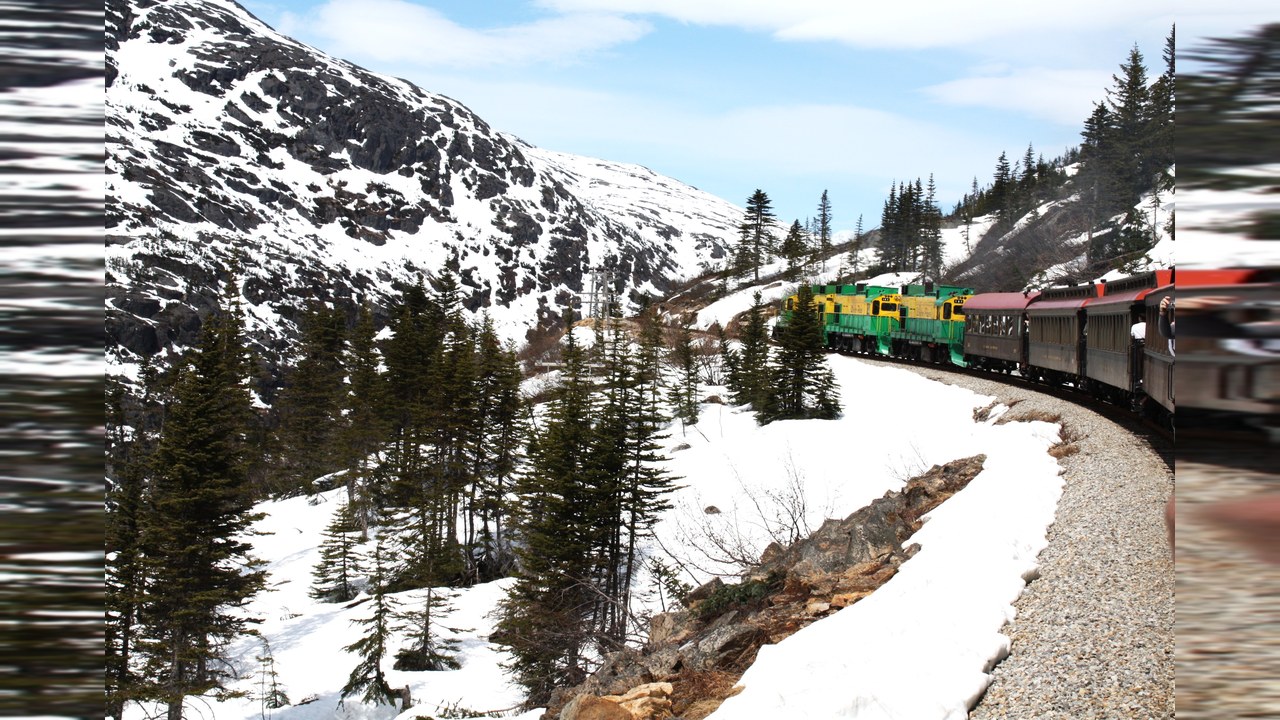
• Skagway — a preserved Klondike Gold Rush boomtown, and the departure point for the White Pass and Yukon Route, a century-old narrow-gauge railway that climbs into the coastal mountains.
• Ketchikan — the self-styled "Salmon Capital of the World," with the largest collection of standing totem poles anywhere and Misty Fjords National Monument a floatplane ride away.
• Sitka — a former Russian colonial capital with a distinct history, sea otters in the harbor, and noticeably fewer ships than the other main ports.
• Icy Strait Point — a Tlingit-owned port near Hoonah, built around the world's longest zipline and some of the most consistent whale sightings on the route.
• Glacier Bay National Park and Hubbard Glacier — scenic cruising days rather than ports of call — the ship spends hours idling in front of tidewater ice while park rangers or naturalists narrate from the bridge.
• Whittier and Seward — the Gulf-side gateways, an hour or so from Anchorage and the jumping-off points for a Denali land tour by rail or motorcoach.
How long should an Alaska cruise be, and what kinds are there?
Alaska sails mostly at 7 nights, with a handful of shorter 4- to 5-night tastes and longer 10- to 14-night voyages for those who want more of it. Because the two main routes cover different ground, length and shape are really the same decision.
• 4 to 5 nights: a quick introduction, usually a repositioning sailing at the edges of the season — the least common shape here.
• 7 nights: the standard length for both main routes — the classic round-trip Inside Passage loop and the one-way Gulf of Alaska crossing.
• 10 to 14 nights: grand voyages that combine both routes, add extra glacier time, or extend down the coast to include more of British Columbia.
• Cruisetours: a distinctly Alaskan format — a 7-night one-way Gulf sailing bolted onto a 3- to 7-night land tour by rail or motorcoach to Denali and Fairbanks, sold by the major lines as a single package.
Itineraries then sort into a few recognisable shapes:
• Classic Inside Passage — round-trip, calm sheltered water, the default first Alaska voyage.
• Gulf of Alaska crossing — one-way, more open ocean, more glacier time, and the shape that pairs naturally with a Denali cruisetour.
• Glacier-focused sailings — built around Glacier Bay, Hubbard Glacier, or Tracy Arm — which one depends on the line and the specific sailing, since park permits limit daily Glacier Bay access.
• Small-ship and expedition — under roughly 250 guests, able to nose into narrower fjords and closer to wildlife, usually with kayaking or hiking built into the day.
Deployment shifts each year, so which shapes are offered on your dates varies — ask us to check what is actually sailing when you want to travel.
What will you actually see and do?
An Alaska port day runs on wildlife, history, and scale rather than sightseeing checklists — and the honest framing is the same as anywhere else: pick two anchor experiences and do them well. Excursions here also tend to be the most memorable — and most expensive — part of the trip, so it pays to prioritise.
Juneau: glaciers and whales in one day.
The Mendenhall Glacier is a short shuttle from the pier and one of the few glaciers in the world you can reach without a boat or a plane. Pair a morning there with an afternoon whale-watching trip out of Auke Bay, where humpback sightings run close to guaranteed in summer, and you've had the two things people picture when they picture Alaska.
Skagway: the White Pass railway
The White Pass and Yukon Route climbs nearly three thousand feet in twenty miles, following the same grade stampeders used during the 1898 gold rush, with the original town's boardwalks and false-front buildings still standing at the bottom. Book this one early — it is the single most in-demand excursion in the state.
Ketchikan: totems and fjords
Saxman and Totem Bight hold the largest concentration of standing totem poles anywhere, each pole a carved family or clan history rather than decoration. For a bigger view, a floatplane over Misty Fjords National Monument shows sheer granite walls rising straight from the water — a landscape with no road access at all.
Glacier Bay, Hubbard, and Tracy Arm: the scenic cruising day
No walking shoes required — the ship parks in front of the ice for several hours while a National Park ranger or naturalist narrates from the bridge. Hubbard is the largest tidewater glacier in North America and calves dramatically; Glacier Bay's UNESCO-listed wilderness offers multiple glaciers and the best odds of seeing brown bears from the deck.
Icy Strait Point and Sitka: the quieter alternatives
Icy Strait Point pairs a Tlingit-owned cultural centre with the world's longest zipline and some of the most reliable whale-watching on the route. Sitka, a former Russian colonial capital, sees far fewer ships and rewards a slower walk through its raptor centre and Russian Bishop's House.
What to eat, port by port. Alaska's food is straightforward and excellent: wild king salmon and halibut fresh off the boat, Dungeness and king crab, and reindeer sausage from a cart in Juneau. A local amber ale from a Juneau or Ketchikan brewpub is the standard way to end a port day.
Which cruise lines and ships sail Alaska?
Nearly every major cruise line sails Alaska, spanning 4,000-plus-guest resort ships to under-100-guest expedition vessels. The choice comes down to how big a ship you want, how close to the wilderness you want to get, and whether you plan to add a Denali land tour.
Mainstream and premium big-ship
Princess Cruises and Holland America Line have the deepest Alaska heritage of any lines — Holland America has sailed the state since the 1940s, and both operate their own wilderness lodges and rail cars for land tours into Denali, which lets them run a genuinely integrated cruise-and-land product. Royal Caribbean, Norwegian, and Celebrity all deploy large, amenity-rich ships to the Inside Passage and Gulf routes in peak summer, and Disney Cruise Line runs a family-focused Alaska season aimed squarely at multigenerational groups.
Small-ship luxury
Regent Seven Seas, Silversea, Seabourn, and Oceania all run smaller, all-inclusive-leaning ships through Alaska, trading waterslides for included excursions, more intimate anchorages, and slower, deeper port days.
Expedition and adventure
UnCruise Adventures and similar small-ship operators sail vessels carrying well under 100 guests into narrow fjords and coves the big ships can't reach, with kayaking, hiking, and skiff wildlife-watching built into most days rather than sold as add-ons.
One honest note: deployment and specific ships change every year as lines rotate their fleets between Alaska and winter markets — if a particular ship or line matters to you, check it actually sails your dates before building a trip around it. We can confirm what is scheduled for the dates you want.
How much does an Alaska cruise cost, and what's good value?
An Alaska cruise prices to its season and route more than to almost anything else — so the smartest savings come from choosing the right week and route rather than the cheapest cabin. Fares move constantly with demand, so rather than quote a number that will be wrong by the time you sail, here is how the pricing actually behaves.
Season is the biggest lever. July carries the clear premium as the warmest, longest-daylight, highest-demand month. May and September are the year's best-value weeks, trading a little warmth and a slightly higher chance of rain for meaningfully lower fares and thinner crowds.
Route is the second lever. Round-trip Inside Passage loops are generally the lower-cost entry point since they need no extra flights. One-way Gulf of Alaska crossings cost more once you add the second flight and, often, a land tour — but they include more glacier time and open the door to Denali in the same trip.
Cabin choice comes third, in the usual order — inside, oceanview, balcony, suite. A balcony is worth it here more than on most itineraries, since a large share of the scenery — glaciers, fjord walls, wildlife — happens while the ship is underway rather than in port.
And check what's included before you compare. The fare buys your cabin, main dining, and onboard entertainment. Shore excursions — glacier flightseeing, the White Pass railway, dog-sledding, helicopter tours — sit on top, and in Alaska they can rival the cruise fare itself. A land tour to Denali is a further add-on unless you've booked a bundled cruisetour. That comparison is the single most useful thing an advisor does for you.
Talk to our cruise specialist to match your dates and budget to the right ship, route, and season.
Who is an Alaska cruise best for?
An Alaska cruise has a simple rhythm: you unpack once, wake in a new fjord or town most mornings, and spend at least one full day parked in front of moving ice. Within that, the right ship, route, and season depend on who you are.
• First-time and value-minded cruisers: a round-trip Inside Passage sailing on Princess or Holland America in May or September — no extra flights, shoulder-season fares, and the classic ports.
• Families and multigenerational groups: the big, activity-rich ships — Royal Caribbean, Norwegian, or Disney Cruise Line for a family-first Alaska season.
• Nature-immersion and land-and-sea seekers: a one-way Gulf of Alaska crossing paired with a Denali cruisetour on Princess or Holland America, both of which run their own wilderness lodges and rail cars.
• Design-led couples and slower travellers: the small luxury ships — Oceania, Regent Seven Seas, Silversea, or Seabourn — for included excursions and quieter anchorages.
• Active and wildlife-focused travellers: an expedition line such as UnCruise Adventures, for kayaking, hiking, and close-in skiff wildlife-watching rather than a fixed excursion menu.
• Solo travellers: any of the above, but ask about the single supplement before you book — it varies sharply by line, most of all on the small luxury ships.
When is the best time to cruise Alaska?
Mid-June through August is the reliable warm-weather peak, with the longest daylight and the most wildlife activity, but also the highest fares and busiest ports. May and September give the best balance of weather and price; September also carries the season's first realistic chance of the aurora.
Is a cruise a good way to see Alaska?
It's the best way to cover its highlights in one trip. Alaska's greatest sights — Glacier Bay, Hubbard Glacier, Juneau — have no road access, and the state's coastal towns aren't connected to each other by highway. A ship links them while you sleep between stops, without small planes or long ferry waits.
What's the difference between an Inside Passage and a Gulf of Alaska cruise?
Inside Passage sailings are round-trip loops from Seattle or Vancouver through sheltered, calmer waterways, calling at ports like Juneau, Ketchikan, and Skagway. Gulf of Alaska sailings are one-way crossings between Vancouver and Whittier or Seward, with some open-ocean time, generally more glacier viewing, and an easy connection to a Denali land tour.
How long is a typical Alaska cruise?
Most run 7 nights, whichever main route you choose. Shorter 4- to 5-night sailings exist but are uncommon, and 10- to 14-night grand voyages combine both routes or add extra port and glacier time.
Do Alaska cruises leave from Seattle or Vancouver?
Both, depending on the route. Round-trip Inside Passage loops sail most often from Seattle, with Vancouver also common. One-way Gulf of Alaska crossings typically start or end in Vancouver, with the other end at Whittier or Seward.
Why do round-trip Alaska cruises stop in Canada?
U.S. law — the Passenger Vessel Services Act — requires foreign-flagged ships sailing round-trip between two American ports to call at one foreign port. That's why almost every Seattle round-trip includes a stop in Victoria or Prince Rupert, British Columbia. It's a legal requirement, not filler.
Will I definitely see glaciers calving and whales?
Glacier calving happens throughout the season and most ships schedule several hours in front of tidewater ice specifically to watch for it, though the exact moment is never guaranteed. Humpback whale sightings around Juneau and Icy Strait Point run close to certain in summer, but wildlife is never a promise — treat both as very likely rather than guaranteed.
Can I add Denali National Park to an Alaska cruise?
Yes — this is one of Alaska's signature trip shapes. Book a one-way Gulf of Alaska cruisetour ending in Whittier or Seward, then continue by rail or motorcoach to Denali as part of a bundled package with the cruise line, most commonly Princess or Holland America.
What should I pack for an Alaska cruise?
Waterproof, layerable clothing regardless of the month — Southeast Alaska is temperate rainforest and rain is possible any time you sail. Bring binoculars for wildlife, sturdy walking shoes for uneven port terrain, and warmer layers than you'd expect, even in July.
Which cruise lines sail Alaska?
Nearly every major line, from big-ship programs at Princess, Holland America, Royal Caribbean, Norwegian, Celebrity, and Disney, to small-ship luxury at Regent Seven Seas, Silversea, Seabourn, and Oceania, to expedition operators like UnCruise Adventures. The choice comes down to ship size, route, and how much the fare includes.
How much does an Alaska cruise cost?
It depends far more on season and route than on which cabin you book. July carries a clear premium; May and September offer the best balance of weather and price. One-way Gulf crossings and cruisetours cost more than round-trip Inside Passage loops once flights and land tours are added. Ask us for current fares on your dates — they move constantly.
How long do you get in each port?
Most calls run a full day, typically eight to ten hours ashore, with scenic cruising days at Glacier Bay or Hubbard Glacier running several hours without docking at all. As with any cruise, plan two anchor experiences per port rather than trying to do everything.
Find your Alaska sailing — tell us your dates and who's travelling, and we'll match the season, route, and ship to you.
Fares and ship deployment change constantly — we check both against live sailing inventory rather than publishing figures that go out of date. Ask us for current pricing and what's actually scheduled on your dates.
Written by the NAVICRU cruise desk · Last updated September 2026 · destination information verified through September 2026. Built from a continuously updated cruise knowledge base — most travel guides are refreshed only every few years.
This guide was prepared with AI assistance from verified cruise-port data. Details like excursion availability, prices, and seasonal closures can change — confirm anything time-sensitive before you sail, or ask our cruise specialist.