
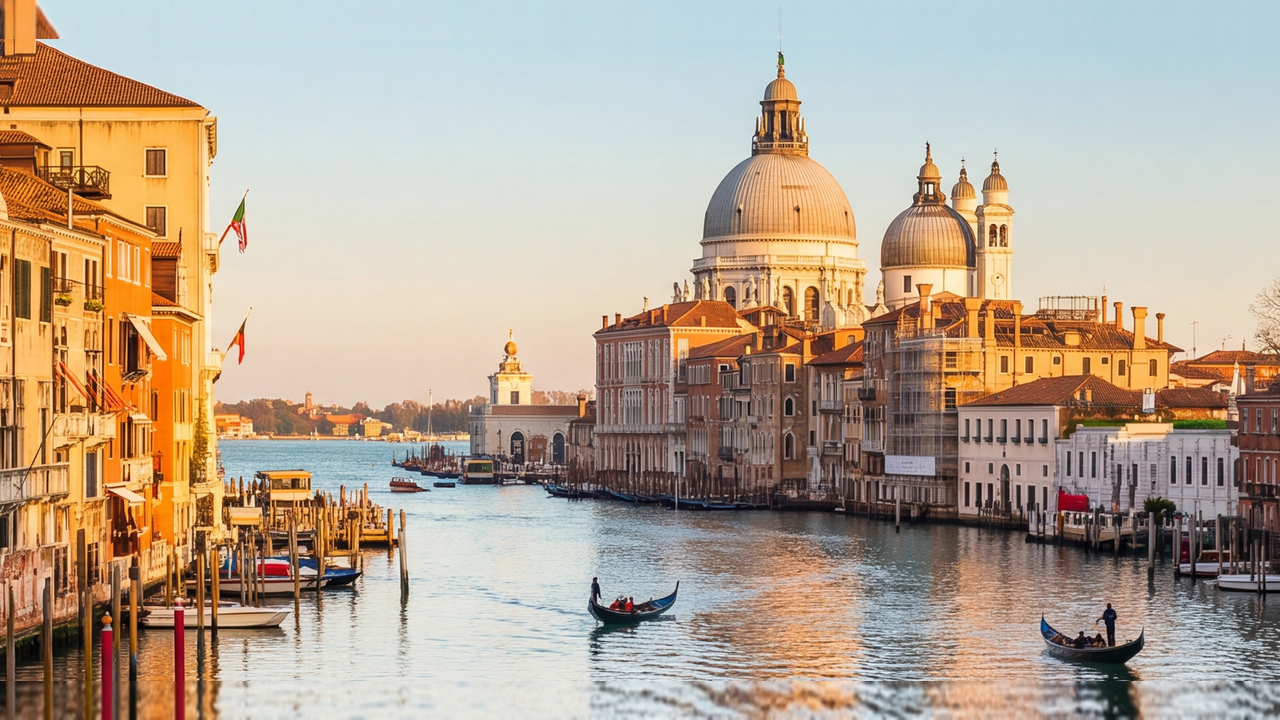
Cruising the Mediterranean: Routes, Seasons, Ports, and How to Choose Your Voyage
The Mediterranean is the densest cruise region on earth — a sea small enough to cross overnight, ringed by more UNESCO World Heritage sites than any comparable stretch of coast. The practical split is Western (Spain, France, Italy), Eastern (Greece, Turkey, the Aegean islands), and Adriatic (Croatia, Montenegro, the Italian east coast), each with its own home ports and its own character. The season stretches from roughly April to November, with July and August delivering guaranteed heat and the heaviest crowds, and the shoulder months of May, June, September, and October offering the better trade. Nearly every cruise line in the world deploys here, from the largest ships afloat to small luxury vessels that berth in the centre of town. What makes the region unusual is proximity: ports sit close enough that a seven-night sailing can cross three countries without a single full sea day. This guide covers why a ship beats a land itinerary here, when to sail, how routes are structured, what to do ashore, which lines fit which traveller, and what actually drives the price.
The ship comes into Santorini at first light, and the caldera wall rises straight out of the water with the white town balanced along the top of it like frost on a rim. By mid-morning you are in a cable car heading up. The following day is Athens, and the one after that a Turkish port where the ruins start two streets back from the quay. In the Mediterranean the distances are short and the density is absurd — this is a region where you genuinely can have breakfast in one civilization and dinner in another.
Mediterranean cruising at a glance
• Season: roughly April through November, with a small winter programme in the Western Mediterranean and Canary Islands.
• Best months: May, June, September, and October for warmth without peak heat or peak crowds; July and August for guaranteed sun at maximum price and density.
• Three sub-regions: Western (Barcelona, Rome, Marseille, the Balearics), Eastern (Athens, the Greek islands, Turkey), and Adriatic (Venice, Split, Dubrovnik, Kotor).
• Typical length: 7 nights dominates, with 10- to 14-night voyages combining sub-regions and shorter 3- to 5-night samplers out of the major home ports.
• Embarkation hubs: Barcelona, Civitavecchia (for Rome), Athens (Piraeus), Venice and its alternative ports, Marseille, and Naples.
• Pace: port-intensive. Most itineraries run a call every day or nearly every day, with few sea days.
• The fleet: the widest range of any cruise region — the largest ships in the world alongside small luxury and expedition vessels.
• Pricing driver: season first, sub-region and home port second, cabin category third.
Why cruise the Mediterranean rather than tour it?
Because the Mediterranean's highlights sit on a coastline split between a dozen countries, and a ship dissolves the borders, the transfers, and the repacking. A land itinerary covering Barcelona, Provence, the Italian coast, and the Greek islands means flights, ferries, currency changes, customs lines, and a different hotel every second night. A ship covers the same ground while you sleep.
The islands make the case most clearly. Reaching several Greek islands independently means committing to ferry timetables that thin out at the edges of the season, and island-hopping chains that lock you into a fixed direction of travel. A cruise strings them together in one pass.
And the ports themselves favour arrival by sea: a significant share of Mediterranean cruise ports are genuinely walkable from the berth, so the old town starts where the gangway ends. The historic core of a Mediterranean port city is usually the port — these were sea towns first, and the cruise berth sits where the trading quay always was.
The honest counterpoint is depth. If your trip is really about one region — a week in Tuscany, or Andalusia properly — a ship gives you a day there, not a week. A cruise is the right tool for breadth across the sea, not for going deep into one country's interior.
When is the best time to cruise the Mediterranean?
The Mediterranean season runs roughly April to November, and the shoulder months beat high summer on almost every measure except guaranteed heat. The region's weather arc is consistent enough that timing is mostly a trade between temperature, crowd density, and price.
Spring, April to early June: warm rather than hot, green landscapes before the summer burn-off, and comfortable walking weather for archaeological sites with no shade. Crowds and fares are below peak. Early April can still deliver rain and cooler sea temperatures, and a few seasonal beach operations are not yet fully open.
High summer, July and August: guaranteed heat, long evenings, and every seasonal business running. It is also the most expensive, most crowded stretch of the year, and the one where a midday walk through an unshaded ruin is genuinely hard work. European school holidays fall here, so the ships carry their highest share of families and the popular ports carry their highest share of everyone.
Early autumn, September and October: widely the best of the year. The sea is at its warmest after a summer of heating, the air has come off its peak, crowds thin after European holidays end, and fares soften. This is the window most experienced Mediterranean cruisers target.
Late season, November, and the winter programme: a smaller fleet, cooler and wetter conditions, and the lowest fares of the year. The Western Mediterranean holds a modest winter presence, often extending toward the Canary Islands where the weather stays mild.
One regional caveat: the Mediterranean is not a single climate. The Eastern basin and North African coast run hotter and drier than the northern Adriatic, and summer wind patterns in the Aegean can affect tender operations at some island ports. A ship missing a tender port is uncommon but not unheard of.
Where do Mediterranean cruises go?
Mediterranean itineraries divide into three sub-regions, and which one you pick determines your home port, your pace, and the character of your week.
Western Mediterranean: the Spain, France, and Italy circuit, typically round-trip from Barcelona, Civitavecchia, or Marseille. Expect major cities, art, and food-led port days, with short overnight hops between calls. This is the most common first Mediterranean cruise.
Eastern Mediterranean and the Greek Isles: built around Athens and the Aegean, usually round-trip from Piraeus or Civitavecchia, calling at Greek islands and often Turkish ports. Expect islands, archaeology, and the region's most photogenic arrivals.
Adriatic: Venice, the Croatian coast, and Montenegro, with walled towns, island channels, and a slower, lower-rise feel than the big Western cities. Venice-area departures have shifted to alternative ports in recent years, so confirm your actual embarkation point.
Your embarkation hub shapes the trip: Barcelona and Civitavecchia have the deepest and most varied programmes, and both are straightforward to reach and worth a pre-cruise night. Athens Piraeus is the natural start for the Aegean. Marseille and Naples anchor regional programmes with strong local character.
Signature port days include:
• Barcelona: a home port that deserves a day in its own right, for Gaudí architecture, the Gothic Quarter, and the market culture.
• Civitavecchia: the gateway to Rome, roughly an hour and a half inland by rail or coach — the region's classic long-transfer port day.
• Santorini: the caldera arrival, usually by tender, and one of the most recognisable approaches in cruising.
• Mykonos, Rhodes, and the Aegean islands: whitewashed towns, beaches, and in Rhodes' case a fully intact medieval walled city.
• Dubrovnik: the Adriatic's walled headline, best walked early before the day peaks.
• Kotor: a fjord-like bay approach into a small walled town, and one of the finest sail-ins in the region.
• Naples: the jumping-off point for Pompeii, Herculaneum, and the Amalfi Coast.
• Turkish ports: Ephesus and the western Anatolian sites, with substantial ruins close to the coast.
• Malta, Valletta: a fortified harbour the ship sails directly into, with the old city immediately above the berth.
How long should a Mediterranean cruise be, and what kinds are there?
Seven nights is the regional standard, but the Mediterranean rewards going longer more than most regions, because adding nights adds countries rather than sea days.
• 3 to 5 nights: short samplers from the major home ports, useful as an add-on to a land trip rather than as a trip in themselves.
• 7 nights: the standard for all three sub-regions, typically round-trip from a single hub.
• 10 to 14 nights: the sweet spot for combining sub-regions — Western plus Adriatic, or a broader Eastern loop — with more overnight-in-port calls.
• Grand voyages and repositioning: longer sailings crossing the whole basin, and spring and autumn repositioning voyages that connect the Mediterranean to Northern Europe or the Caribbean.
Itinerary shapes worth knowing:
• Round-trip loops: simplest to fly to and from, one airport at each end.
• One-way crossings: often Barcelona to Athens or Venice and back, covering more ground for the price of a second flight.
• Port-intensive island itineraries: a call every day with few or no sea days — rewarding but genuinely demanding.
• Overnight-in-port itineraries: an increasingly common shape where the ship stays late or overnight in a headline city, which changes the character of the visit entirely.
Deployment shifts year to year, so ask us what is actually scheduled on your dates rather than assuming a route repeats.
What will you actually see and do?
A Mediterranean port day usually forces a choice between a city, a site, and a beach — and the traveller who picks one per port enjoys the week far more than the one who tries for all three. The region's density is its best feature and its main trap.
The long-transfer port days: Rome from Civitavecchia and Pompeii or the Amalfi Coast from Naples both involve substantial travel each way. They are worth doing, but they consume the day. Plan them as the day's single event.
The walk-off port days: Dubrovnik, Kotor, Valletta, and many Greek island ports put you into the historic core within minutes of the gangway. These are the days to go independent, start early, and be back aboard without anxiety.
The archaeology: Ephesus, Pompeii, Herculaneum, the Acropolis, and the Greek island sites are the region's defining draw. Nearly all are unshaded and uneven underfoot, which is precisely why the shoulder months suit them better than August.
The beach days: the Balearics, the Aegean islands, and stretches of the Adriatic coast all support a genuine beach port day. In peak season the nearest beach to the berth will be busy — going slightly further is usually worth it.
What to taste, port by port: Catalan seafood and vermouth culture in Barcelona; cacio e pepe and a proper espresso standing at the bar in Italy; Neapolitan pizza in the city that invented it; grilled fish, tomato, and feta on the Greek islands; Turkish mezze and kebab in the Aegean ports; Dalmatian black risotto and Croatian white wine in the Adriatic; and pastizzi in Malta. Wine is regional everywhere — ask for local rather than familiar.
Which cruise lines and ships sail the Mediterranean?
The Mediterranean carries the widest range of ships of any cruise region, which means the decision is less about who sails here and more about what kind of week you want.
Large-ship mainstream: Royal Caribbean International, MSC Cruises, Costa Cruises, Norwegian Cruise Line, and Princess Cruises all run substantial Mediterranean programmes on large, amenity-rich ships. MSC Cruises is the region's home-grown operators, European-based with a European guest mix and a distinctly continental feel onboard — a genuine point of difference if you want the ship to feel like part of the destination rather than a visitor to it.
Premium: Celebrity Cruises, and Princess Cruises sit between mainstream and luxury, with a quieter onboard style and stronger enrichment programming.
Luxury and small-ship: Oceania Cruises, Regent Seven Seas Cruises, Silversea Cruises, Seabourn, and Windstarrun smaller vessels that can berth closer to town centres and reach ports the largest ships cannot. Their fares typically include more, and their itineraries lean toward overnight stays and less-visited harbours.
Sailing and yacht-style: a small number of operators run sail-assisted or yacht-scale vessels in the region, which suits travellers who want the Mediterranean at a genuinely intimate scale.
One honest note: ship deployment changes every year as lines rotate fleets between the Mediterranean, Northern Europe, and winter markets. If a specific ship matters to you, confirm it sails your dates before building the trip around it. We can check what is actually scheduled.
How does Mediterranean cruise pricing work?
Mediterranean fares are driven by season first, sub-region and home port second, and cabin category third — so the biggest savings come from moving your week, not downgrading your room.
Season is the largest lever: July and August carry a clear premium driven by European school holidays. May, June, September, and October cost meaningfully less for arguably better conditions. November and the winter programme are cheapest of all.
Sub-region and home port come next: Western Mediterranean itineraries out of Barcelona or Civitavecchia are usually the easiest and cheapest to reach from most origin markets. Eastern and Adriatic sailings can cost more to get to, and one-way routings add a second flight.
Cabin choice comes third, in the usual order of inside, oceanview, balcony, and suite. The Mediterranean is a port-intensive region where you spend comparatively little waking time in the cabin, so the balcony argument is weaker here than in a scenic-cruising region — a consideration if the budget is tight.
Check what the fare includes before comparing: the headline price covers the cabin, main dining, and entertainment. Shore excursions, speciality dining, drinks packages, gratuities, and port transfers sit on top, and the gap between a mainstream fare and a luxury fare narrows considerably once those are added. Comparing true all-in cost across lines is the single most useful thing an advisor does.
Talk to our cruise specialist to match your dates, sub-region, and budget to the right ship and itinerary.
Who is a Mediterranean cruise best for?
• First-time cruisers and value-minded travellers: a seven-night Western Mediterranean round-trip from Barcelona or Civitavecchia in May, June, September, or October.
• Families and multigenerational groups: the large mainstream ships — Royal Caribbean International, MSC Cruises, Costa Cruises, or Norwegian Cruise Line — in the summer months when school schedules dictate the dates.
• History and archaeology travellers: an Eastern Mediterranean or Greek Isles itinerary in the shoulder season, when the unshaded sites are actually walkable.
• Couples and slower travellers: the small luxury ships — Oceania Cruises, Regent Seven Seas Cruises, Silversea Cruises, or Seabourn — for central berths, overnight stays, and quieter ports.
• Return visitors who have done the headlines: an Adriatic itinerary, or a longer voyage combining sub-regions and less-visited harbours.
• Solo travellers: any of the above, but ask about the single supplement before booking — it varies sharply by line and is highest on the small luxury ships.
When is the best time to cruise the Mediterranean?
May, June, September, and October offer the best overall balance of warm weather, manageable crowds, and fair pricing. July and August deliver the most reliable heat and the longest evenings but carry the highest fares and the heaviest crowds. September is often singled out as the strongest single month, because the sea is at its warmest after the summer while the air has come off its peak.
What is the difference between Western and Eastern Mediterranean cruises?
Western Mediterranean itineraries cover Spain, France, and Italy, usually round-trip from Barcelona, Civitavecchia, or Marseille, and lean toward major cities, art, and food. Eastern Mediterranean itineraries centre on Greece, the Aegean islands, and Turkey, usually from Athens Piraeus or Civitavecchia, and lean toward islands and archaeology. The Adriatic is a third option, covering Venice, Croatia, and Montenegro.
How long is a typical Mediterranean cruise?
Seven nights is the standard across all three sub-regions. Shorter three- to five-night samplers exist from the major home ports, and ten- to fourteen-night voyages combine sub-regions or add overnight stays in headline cities.
Which port should I fly into for a Mediterranean cruise?
Barcelona and Rome, via the port of Civitavecchia, are the two most common and best-connected embarkation hubs, with the widest choice of itineraries. Athens Piraeus is the natural starting point for Greek Isles sailings, and Venice-area ports serve the Adriatic. Confirm your exact embarkation port when booking, since some hubs use alternative berths.
Is a Mediterranean cruise good for first-time cruisers?
Yes. Short overnight hops between ports mean little open-ocean time, the ports are close together, and a Western Mediterranean round-trip requires only one flight in and out. The main adjustment is pace — Mediterranean itineraries are port-intensive, with a call most days and few sea days.
Do I need a visa for a Mediterranean cruise?
It depends on your nationality and the specific countries your itinerary calls at, and the answer differs between the European Union Schengen countries and non-Schengen stops such as Turkey, Montenegro, or Morocco. Entry requirements change, so confirm current rules for your passport and your exact itinerary well before you sail.
How much time do you get in each port?
Most calls run a full day, commonly eight to ten hours ashore, though some ports are shorter and some itineraries include a late stay or an overnight. The practical limit is transfer time rather than clock time — a Rome day from Civitavecchia loses roughly three hours to travel, while a Dubrovnik or Valletta day starts the moment you step off.
Are Mediterranean ports walkable from the ship?
Many are. A large share of Mediterranean cruise ports sit adjacent to the historic core, because these were trading harbours long before they were cruise berths — Dubrovnik, Kotor, Valletta, and most Greek island ports fall into this group. The main exceptions are the long-transfer ports such as Civitavecchia for Rome and Naples for Pompeii or the Amalfi Coast.
Is it too hot to cruise the Mediterranean in summer?
Not unmanageable, but it is the region's hardest month for sightseeing. July and August routinely bring high heat, and most of the region's headline archaeological sites are unshaded and uneven underfoot. If your trip is built around ruins rather than beaches, the shoulder months are materially more comfortable.
Which cruise lines sail the Mediterranean?
Nearly all of them. Large-ship mainstream options include Royal Caribbean International, MSC Cruises, Costa Cruises, Norwegian Cruise Line, and Princess Cruises. Premium options include Celebrity Cruises and Holland America Line. Luxury and small-ship options include Oceania Cruises, Regent Seven Seas Cruises, Silversea Cruises, Seabourn, and Windstar Cruises.
Should I book a balcony cabin for a Mediterranean cruise?
It matters less here than in scenic-cruising regions. Mediterranean itineraries are port-intensive, so you spend comparatively little waking time in the cabin. If the budget is constrained, spending the difference on shore experiences generally returns more than the balcony does.
What should I pack for a Mediterranean cruise?
Comfortable walking shoes with grip are the single most important item, since old towns and archaeological sites are uneven and often cobbled. Add sun protection, a hat, layers for cooler evenings in the shoulder months, and at least one modest option covering shoulders and knees for churches and religious sites, which enforce dress codes.
Find your Mediterranean sailing — tell us your dates, your sub-region, and who is travelling, and we will match the ship, route, and season to you.
Fares and ship deployment change constantly. We check both against live sailing inventory rather than publishing figures that go out of date — ask us for current pricing and what is actually scheduled on your dates.
Written by the NAVICRU Cruise Desk · Published September 2026 · Destination information verified through September 2026.